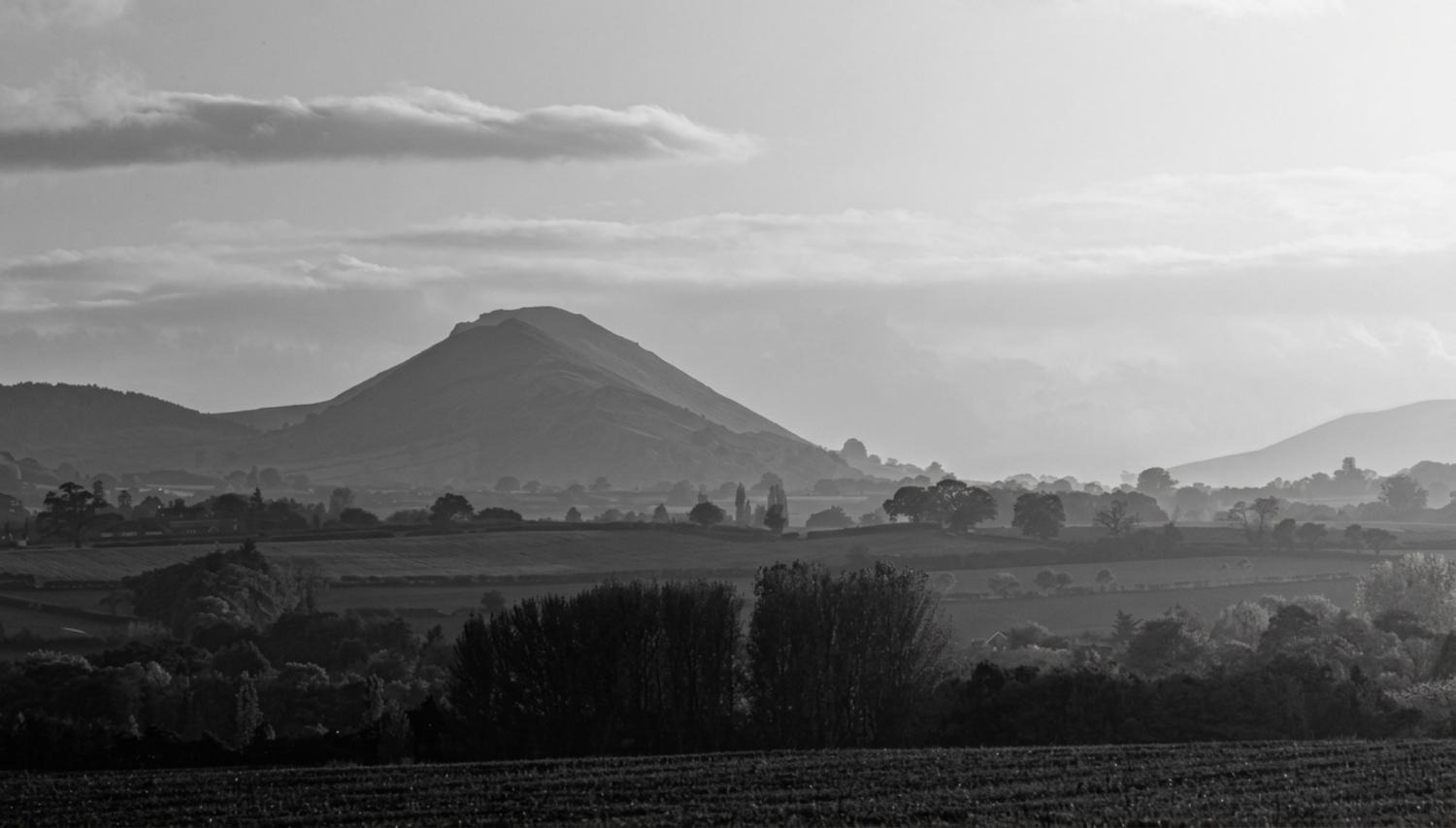
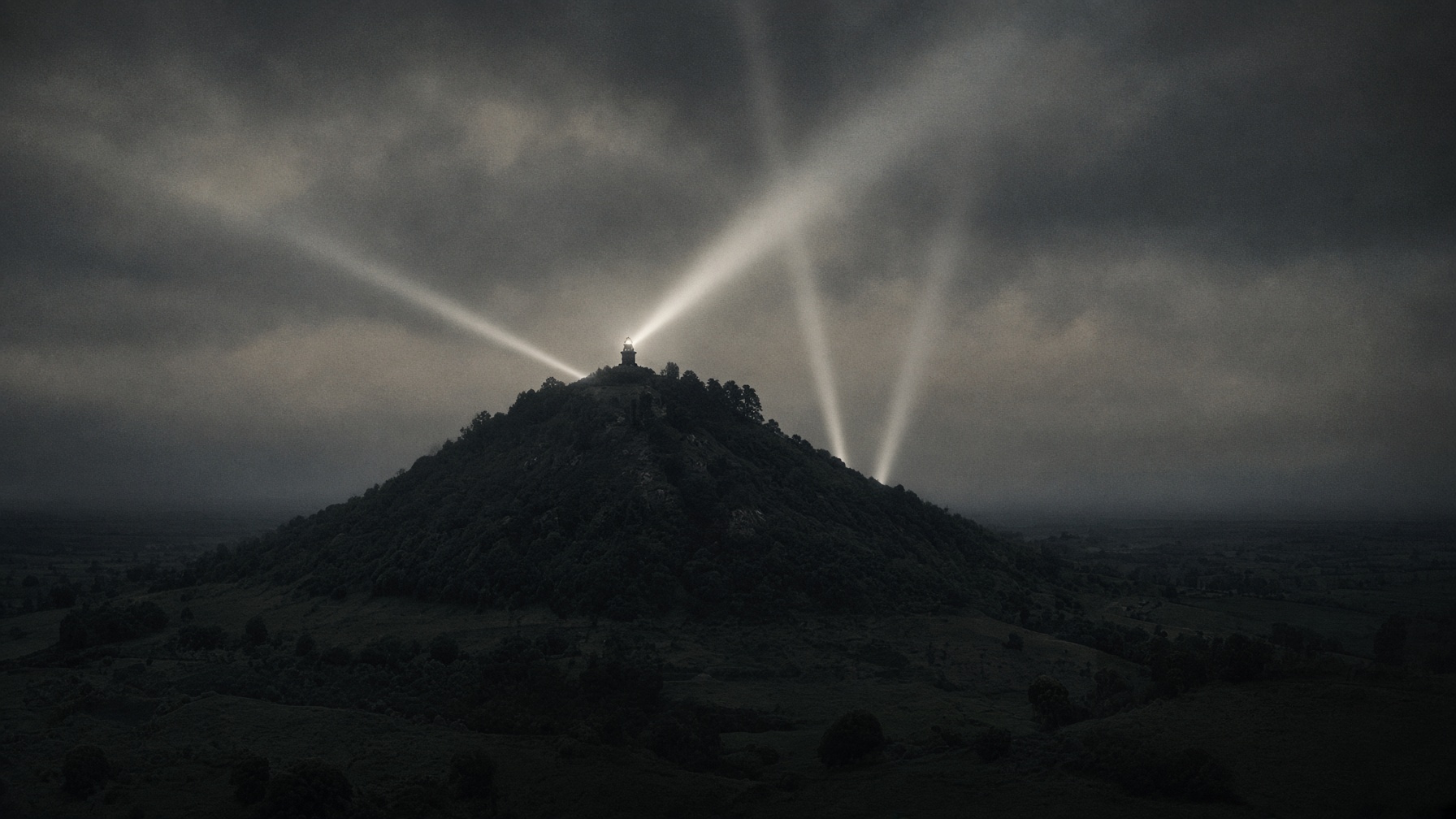
Twenty-eight films. Six eras. One hill. Scroll the series, or watch the dates arrive on their own.
Era 1 · four films
Deep Time
566 mya – c. 4000 BC
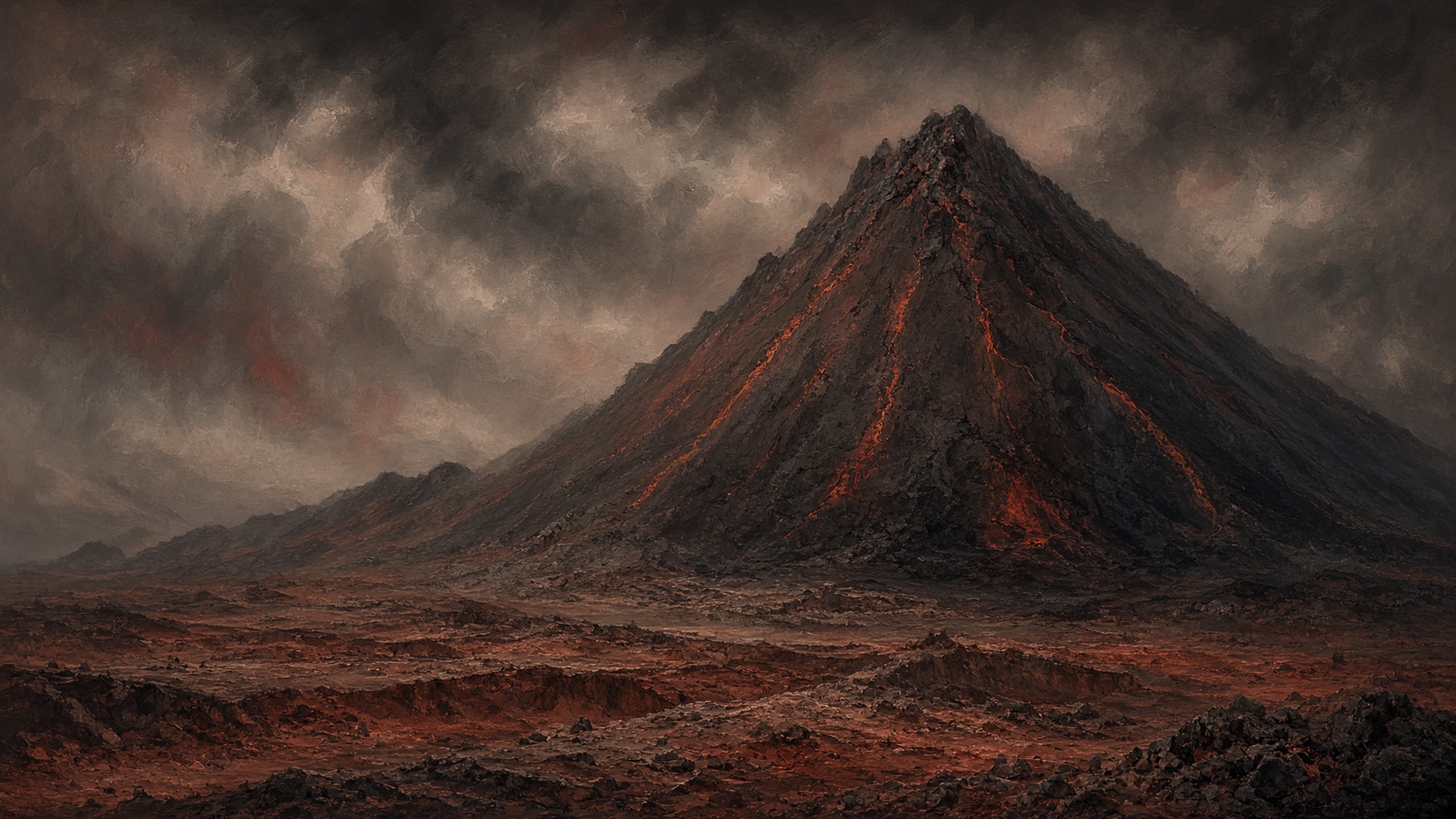
Fire first, then ice. The hill is a magma plug; the gorge is a wound; the mammoths walked the bogs as the water left. This is the forging of the frontier.
Episode 1.1
c. 566 mya
Fire and Ice — The Forging of the Frontier
The Wrekin, the Ercall, Wenlock, Haughmond
Uriconian magma, a vertical ocean at Haughmond, a tropical reef at Wenlock, beach ripples at the Ercall, then the layered East Shropshire coalfield.
The Wrekin is a magma plug, erupted in the Ediacaran near the equator. Haughmond’s beds stand on end: an old sea set upright. Wenlock Edge is a Silurian reef so famous the epoch is named for it. At the Ercall, Cambrian quartzite still holds the ripple marks of a beach. Much later the coal, ironstone, fireclay and limestone of the coalfield were laid down in cycles — the cocktail the gorge would one day cut open.
Episode 1.2
c. 20,000 years ago
The Carving of the Severn Valley
Buildwas and Ironbridge Gorge
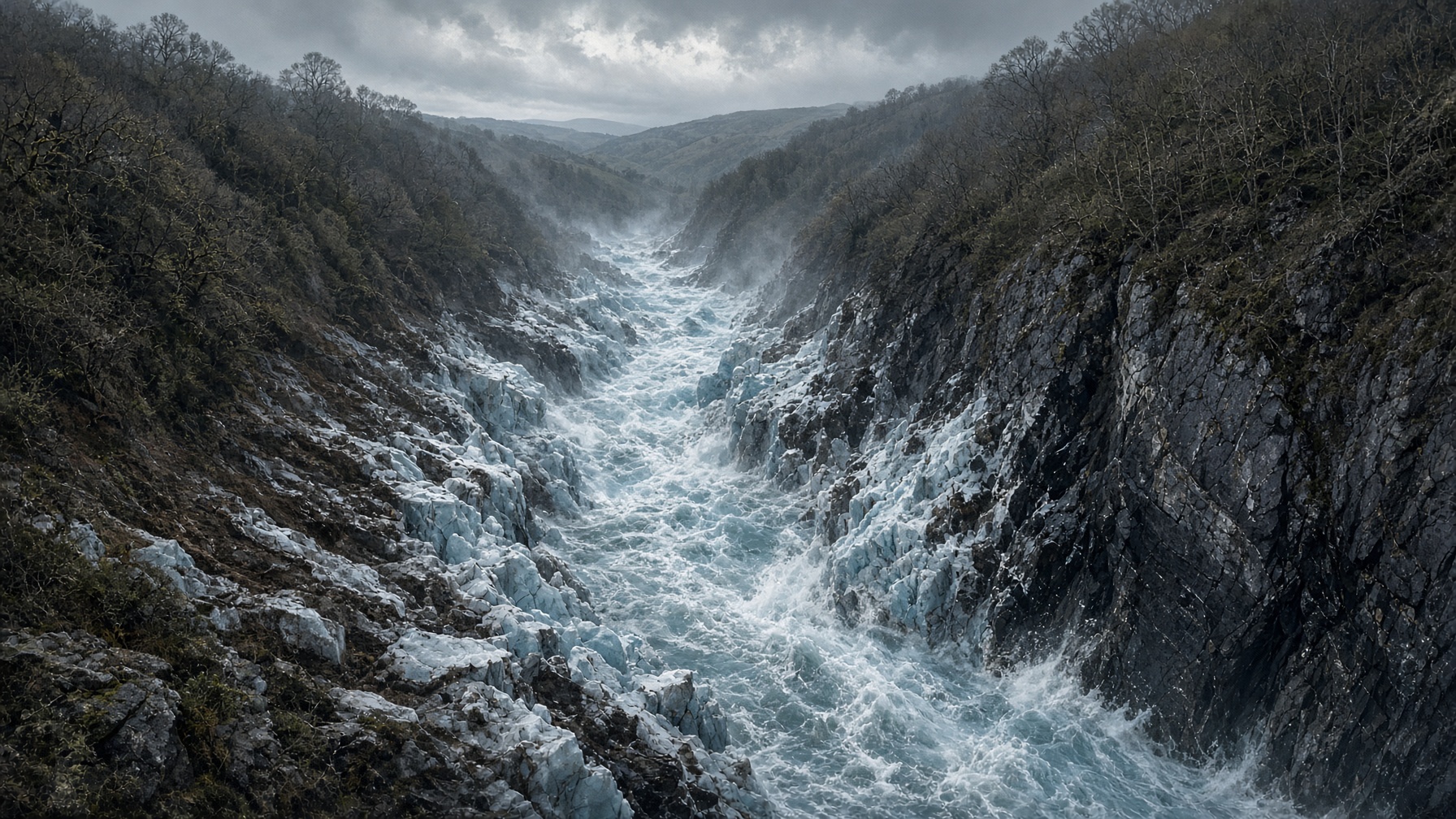
Ice blocked the old northern drain of the Severn. Meltwater rose, then tore south through a col — and the mineral veins of the coalfield were laid bare.
Charles Lapworth proposed the lake; L. J. Wills named it for him in 1924. The details are still argued: one great Lake Lapworth, or smaller lakes at Buildwas and Newport, or water running under the ice. The result is not. The Severn was diverted south through what is now Ironbridge Gorge. The cut exposed coal, iron, fireclay and limestone — the raw material of everything that follows in this series.
Episode 1.3
c. 12,800 years ago
Mystical Marshes and the Condover Giants
Condover kettle-holes
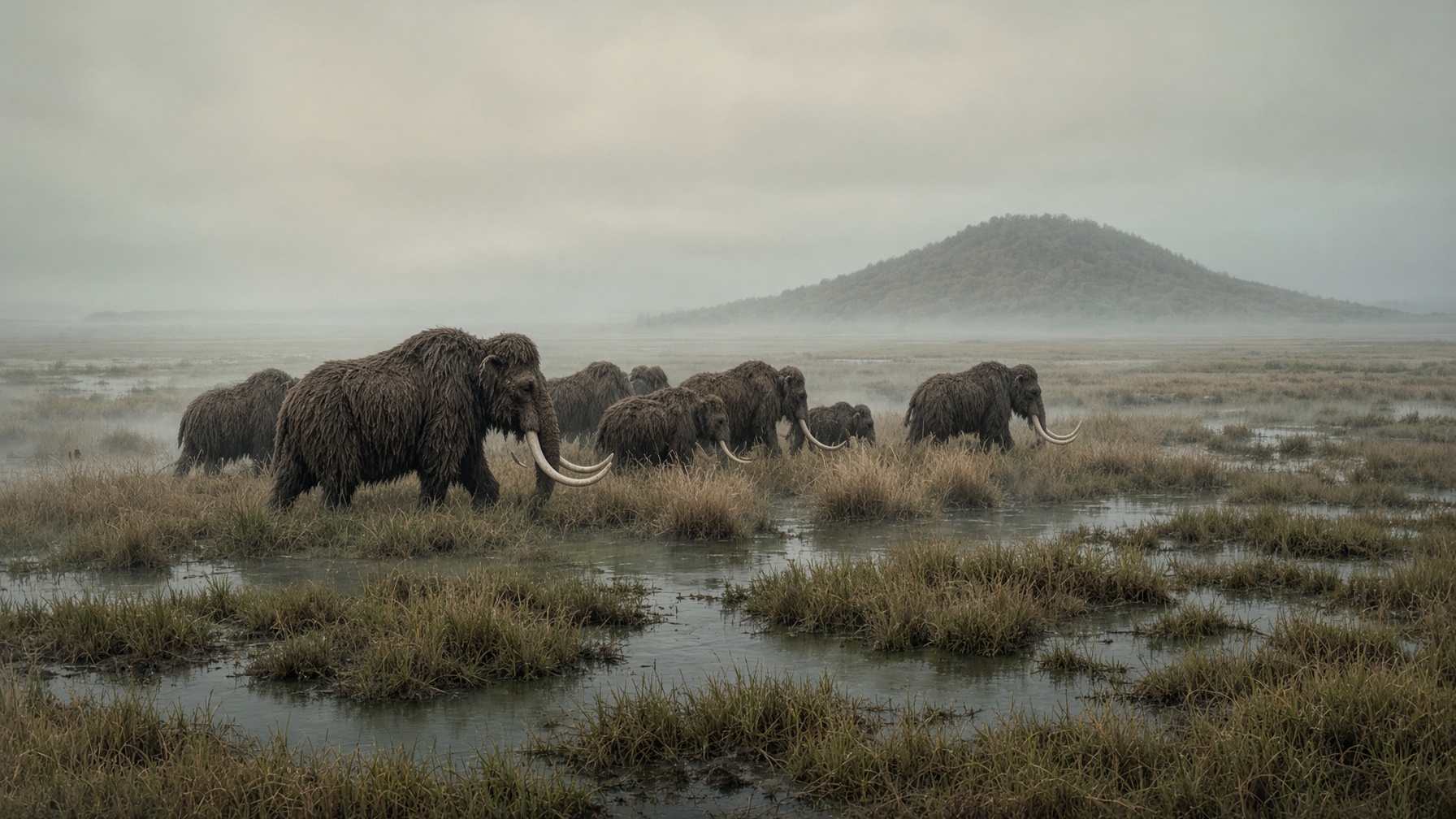
As the ice left, mammoths walked the bogs. The Wrekin stood over a drained wilderness like an open-air cathedral.
The Condover animals — an adult and at least three juveniles — died in a kettle-hole as Lake Lapworth’s country emptied. They are among the last mammoths in Britain, found in 1986 by a couple walking dogs at a gravel pit. The adult stood over three metres. The hill they would have seen is the same cone in the windscreen now.
Episode 1.4
c. 4000 BC
The Great Struggle — Foragers vs Farmers
The Wrekin and Ercall woods
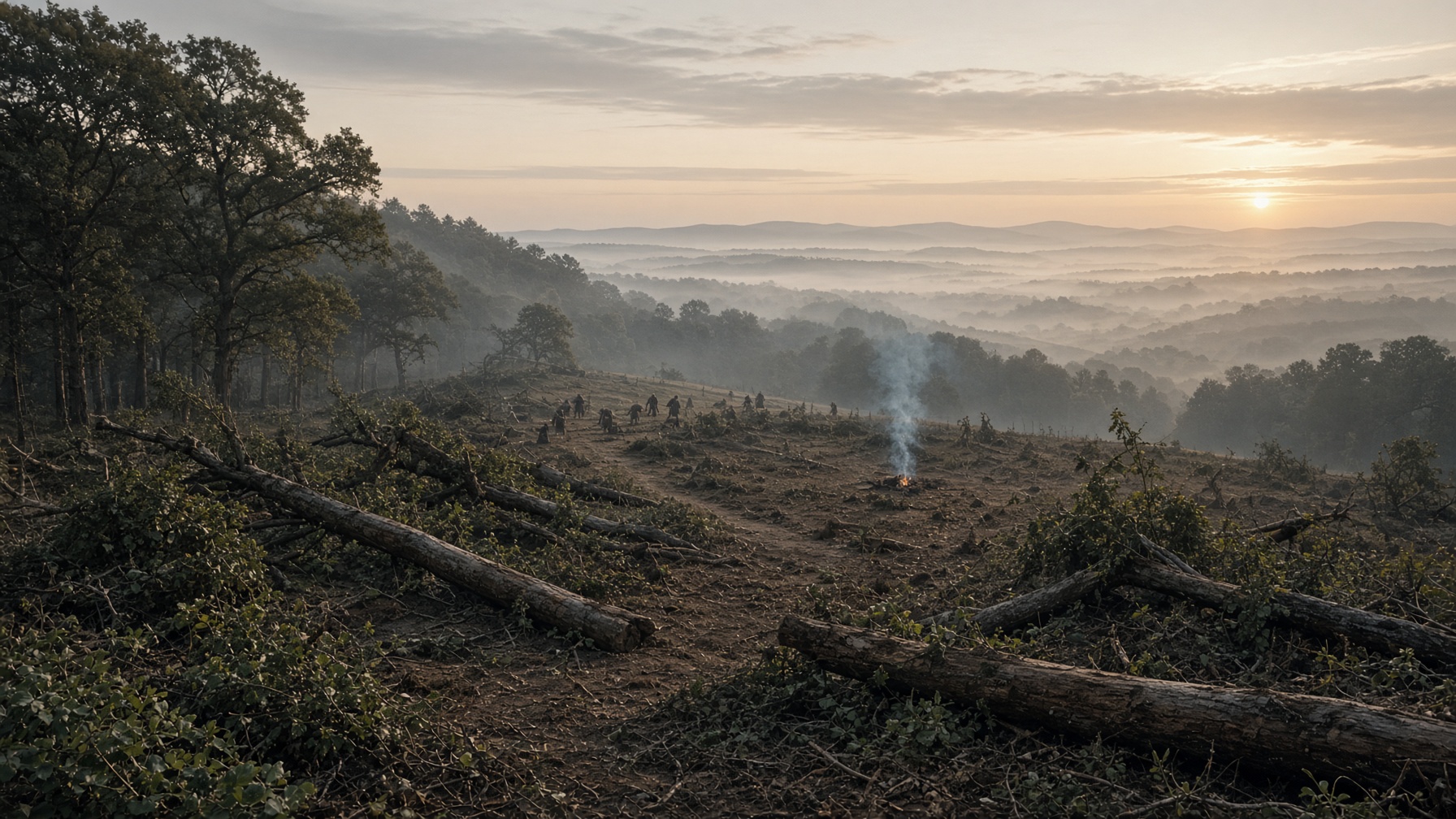
Nomadic hunters and the first farmers did not replace each other overnight. They shared, clashed, and slowly mixed as the wild wood was cleared.
Flint on the Ercall floor was carried here; it does not grow in this rock. Clearing the oak took generations. The hill was already a landmark when the first fields were cut at its feet. The struggle in the title is not a single battle. It is the long argument between two ways of living on the same ground.
Era 2 · four films
Summit
c. 400 BC – AD 410
A cattle people on the summit. A hidden fort under the shoulder of the hill. Then the hammer: the Cornovii brought down to build a city on the plain.
Episode 2.1
c. 400 BC
The Tribe on the Summit
The Wrekin hillfort
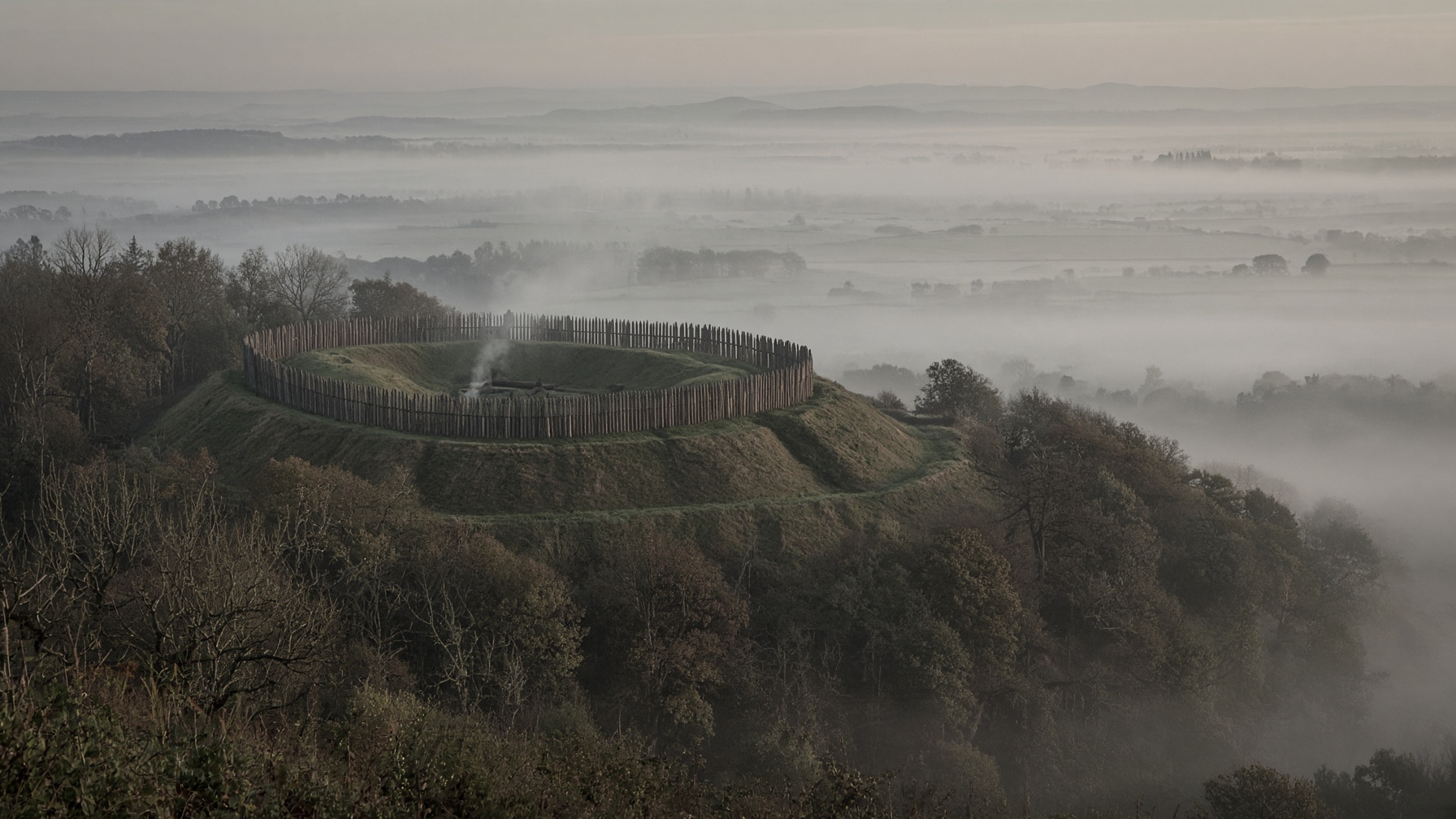
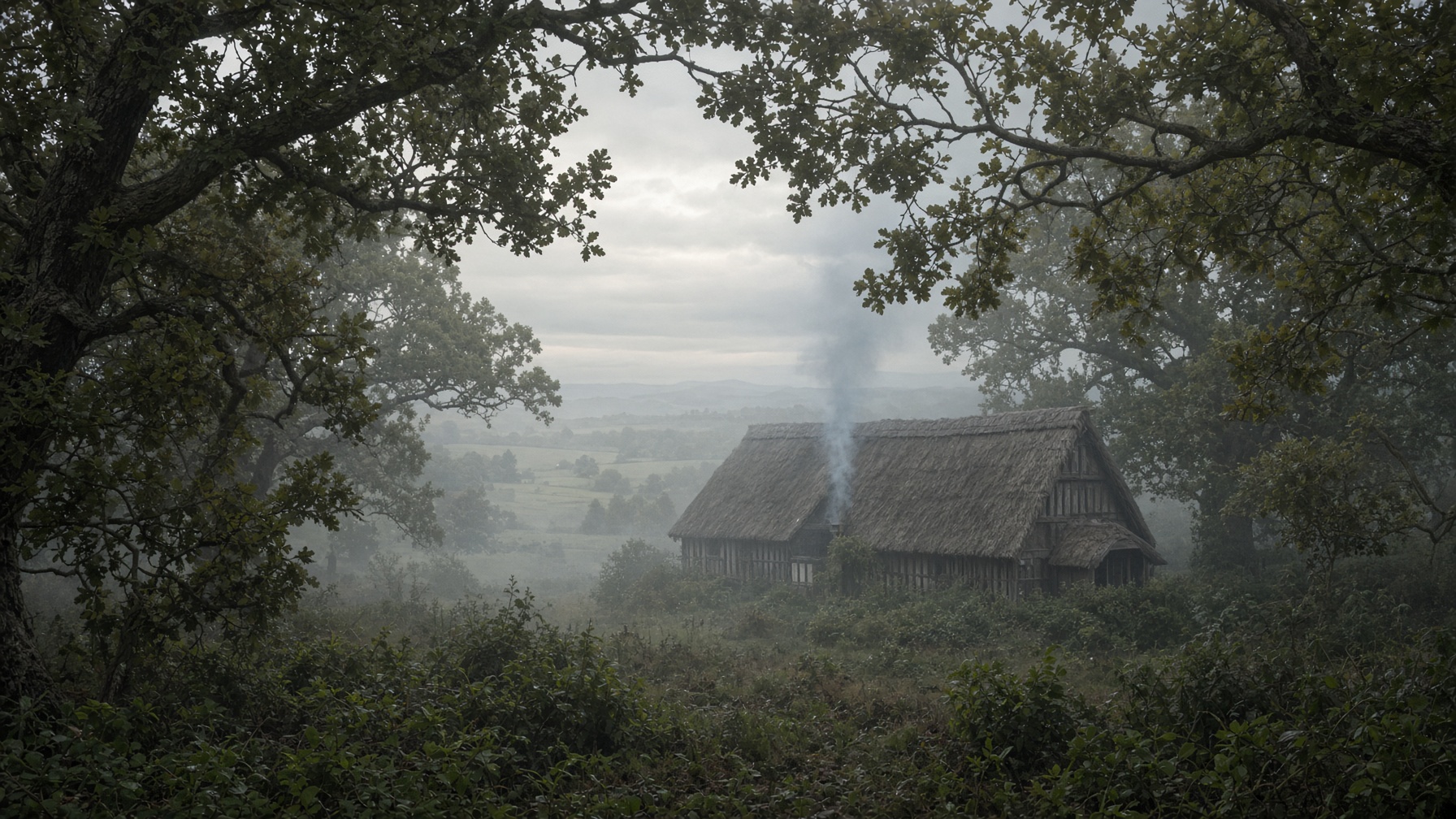
Daily life, cattle wealth, trade and firelight in a hillfort city of the Cornovii — banks still readable in the bracken.
Late Bronze Age pottery says people were up here before the great banks. An inner enclosure of some 3.5 hectares, outer works, a cairn on the highest point. Cattle were wealth. The plain, the river, the eastern approach: whoever held the summit saw visitors coming. This was not a picnic camp. It was a statement in earth.
Episode 2.2
AD 47–51
Caratacus and Leighton Fort
Leighton and the Wrekin
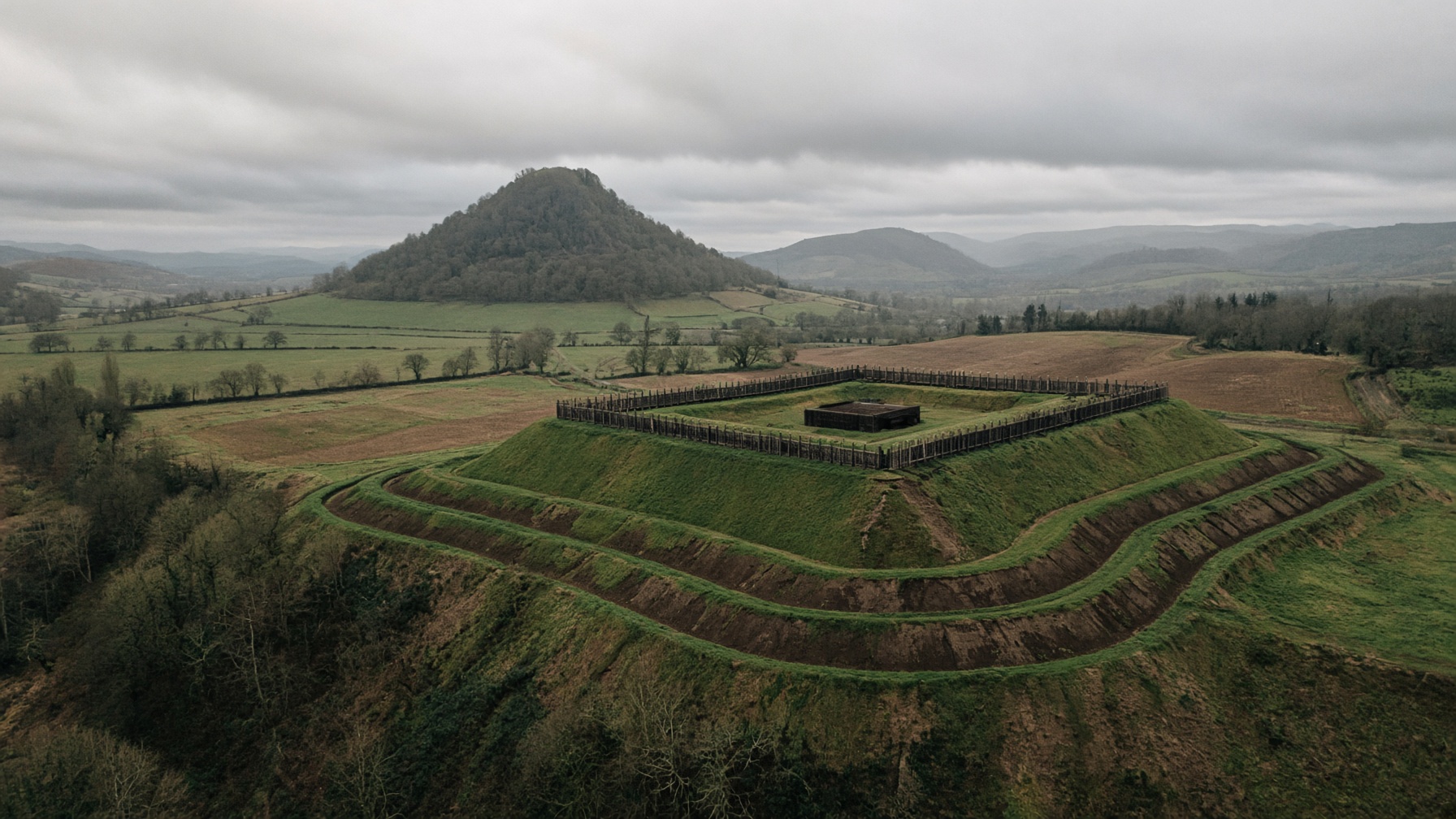
Rome built a vexillation fortress under the hill, sited so the summit could not see it, and broke the Cornovii citadel.
The Leighton fortress sits on a spur by the Severn, triple-ditched, about nine hectares — room for some 2,500 men, likely a vexillation of Legio XIV with cavalry. It is tucked so an outcrop hides it from the Wrekin. Governor Ostorius Scapula’s campaign of 47–51 took the hillfort; two Roman javelin heads mark the assault. Caratacus, already a fugitive from the south-east, was hunted through the wider hills. His last stand is usually placed in the Teme–Clun country, not on this summit — but the hunt ran here.
Episode 2.3
AD 60–61
Shadows of Terror — Mona and Boudicca
Wroxeter, the road west
The fortress on the plain was a staging post while Suetonius Paulinus struck at the Druids on Anglesey. Then Boudicca burned the east, and the shock ran back along Watling Street.
Wroxeter began as a legionary fortress. In 60–61 the governor was in the west, destroying the sacred groves of Mona. Boudicca’s revolt in the east nearly broke the province. The Fourteenth, which had sat in this landscape, was in that war. For the Cornovii on the plain the lesson was simple: Rome could vanish over the horizon, and still own the road.
Episode 2.4
c. AD 90–200
Viroconium — Life Under the Eagle
Viroconium Cornoviorum
The Cornovii were moved off the hill to build a civilian city: forum, baths, tax, engineered roads, foreign rule.
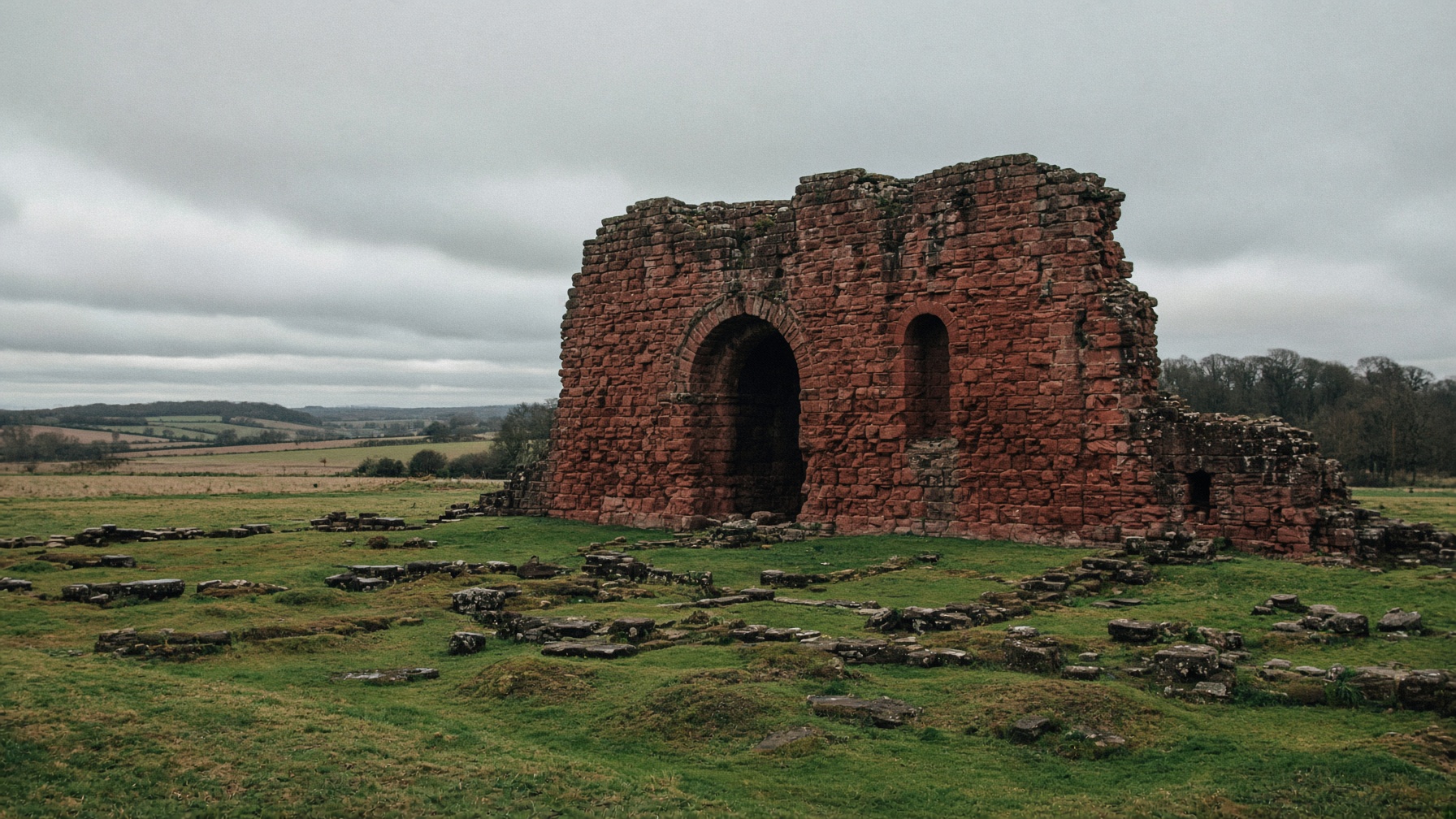
After the army left for Chester around AD 88, the fortress became a town — one of the largest in Roman Britain, some 70 hectares. The Old Work is still the biggest piece of civilian Roman masonry standing in the country. Farming changed. So did the calendar of dues. The name of the town and the name of the hill share a root older than Latin.
Era 3 · five films
Frontier
c. 410 – 1100
Rome leaves a ruin. A timber hall goes up inside the basilica. Penda names a people for the hill. Saints, a lady of the Mercians, then the Norman yoke.
Episode 3.1
c. 410–550
The Wooden Hall in the Ruins
Wroxeter
Rome stepped back. Local Britons put a timber long-hall inside the crumbling basilica while warlords fought for the wreck of Cornovia.
The old story of a sudden dark is too neat. Buildings in timber rose over the forum. Higham read Wrocensaete as those dwelling at Wrocen — perhaps the court in the ruin itself. The stones did not leave. The uniforms did. Pengwern and Powys pulled at the western edge. The hill kept its name through all of it.
Episode 3.2
7th century
King Penda and the Birth of the Wreocensæte
Mercia and the Wrekin
Pagan Penda of Mercia claimed the region. The Tribal Hidage recorded the Wreocensæte — WrekinSets — as a 7,000-hide frontier people.
Seven thousand hides is the same weight as the East Saxons or the South Saxons. That is not a village. It is a border people facing Wales, most likely covering much of Shropshire and Cheshire toward Wrexham. There is little sign of their own royal house. From at least Wulfhere they sat under Mercia. The word is the hill’s. This site takes it forward.
Episode 3.3
642
The Blood of Saints — Oswald at Maserfield
Oswestry / Maserfelth
Christian Oswald of Northumbria met Penda near what tradition calls Oswestry. Peasants on this frontier were caught between old gods and a new faith.
Oswald was killed and dismembered. Later generations made him a saint; the place-name is usually read as Oswald’s Tree. The battlefield is still argued. What is not argued is the shock: a Northumbrian Christian king died on the Mercian edge, and the people who farmed between the hill and the dyke had to live with whoever won.
Episode 3.4
912
Æthelflæd — The Lady of the Mercians
Bridgnorth / Bricge
Alfred’s daughter fortified the Severn. In 912 she timbered a burh at Bricge and drew local WrekinSets to hold the line against the Danes.
The Anglo-Saxon Chronicle has her building at Scergeat in May and at Bricge the same year. Florence of Worcester put that burh at Bridgnorth; others argue for Quatford. Danes had wintered at Cwatbrycge in 895–6. Either bank, the point is the same: the Lady of the Mercians was drafting this frontier to stop a river road.
Episode 3.5
1066–1102
The Norman Yoke and the Marcher Lords
Shropshire
William marched west. Roger de Montgomery carved the county into manors. Local peasants paid a new kind of tax to a new kind of lord.
Montgomery took Arundel and Shrewsbury. Castles went up. The Welsh wars became a business of Marcher families. Robert de Bellême later shifted Bridgnorth from Quatford. For people who had been Wreocensæte, the hundred and the manor replaced the old tribute list — and the squeeze was harder to walk away from.
Era 4 · six films
Crown
1100 – 1651
Monks farm the valleys and first cut coal in the gorge. Kings use Shrewsbury as a gate. A battle in a pea-field. A declaration at Wellington. A king in an oak.
Episode 4.1
c. 1080–1300
The Monastic Empire — Buildwas, Wenlock and Haughmond
The valleys around the hill
Cistercians and Augustinians farmed sheep, ran trade, and were among the first to dig coal in the gorge.
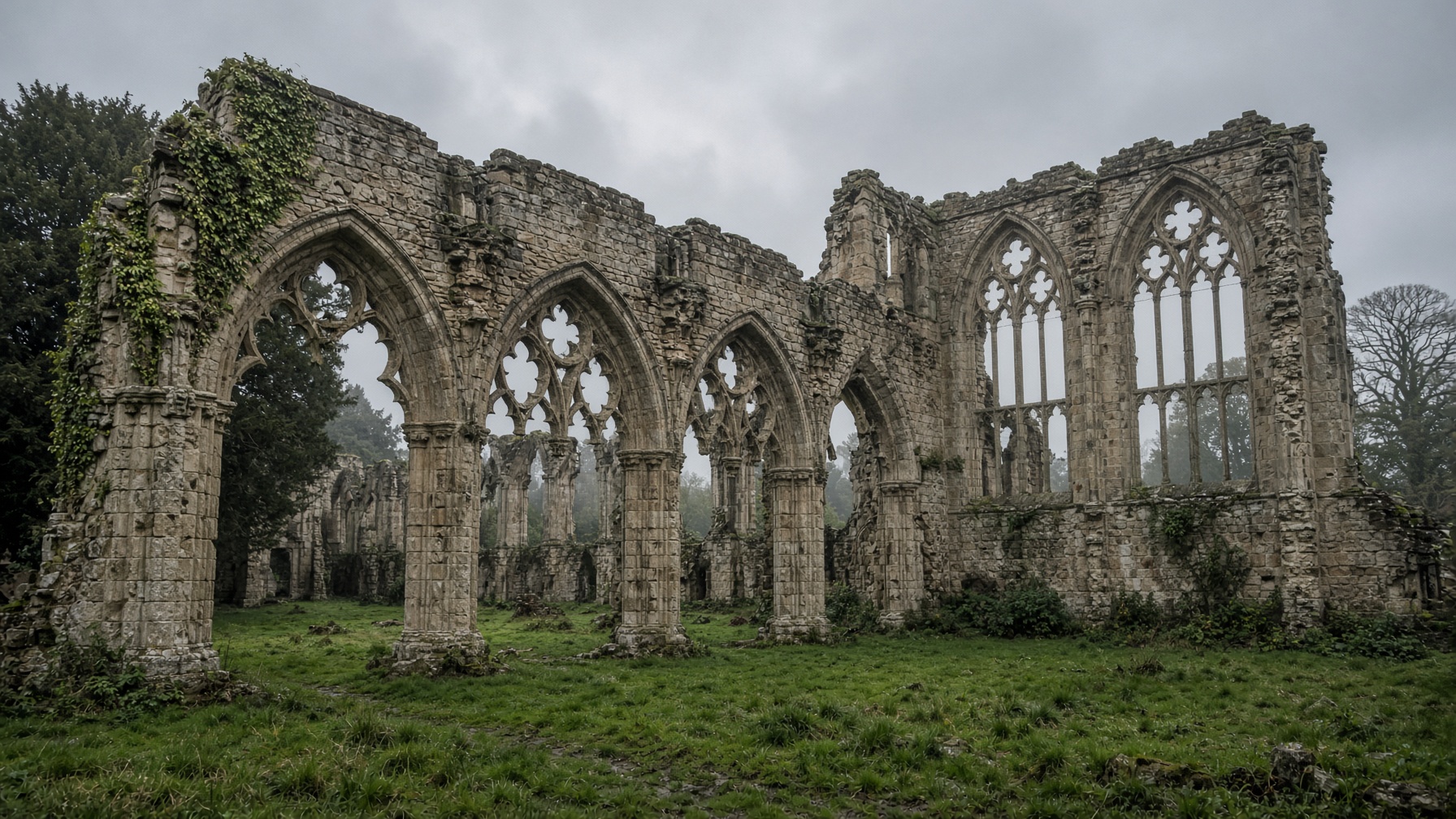
Wenlock was refounded as Cluniac under Roger de Montgomery. Buildwas, Cistercian, 1135. Haughmond, Augustinian, on the flank of the hill of vertical strata. Lilleshall followed. The abbeys were economic engines: wool, mills, tithes, and — in the gorge — early coal. The Catholic golden age in this county was not only prayer. It was management of land.
Episode 4.2
1210s–1280s
The Crown at the Gates — John and Edward I
Shrewsbury
Kings turned Shrewsbury into a launchpad for the Welsh wars. Local farmers fed armies whether they liked the cause or not.
John used the March; Edward I used it as a machine. Parliament sat at Shrewsbury in 1283 when Dafydd ap Gruffudd was tried. The town became a magazine. Grain, horses, and men were levied off the same fields that had fed Wenlock. The hill watched columns go west, and fewer come back.
Episode 4.3
1403
21 July
The Blood of Shrewsbury
Battlefield, north of Shrewsbury
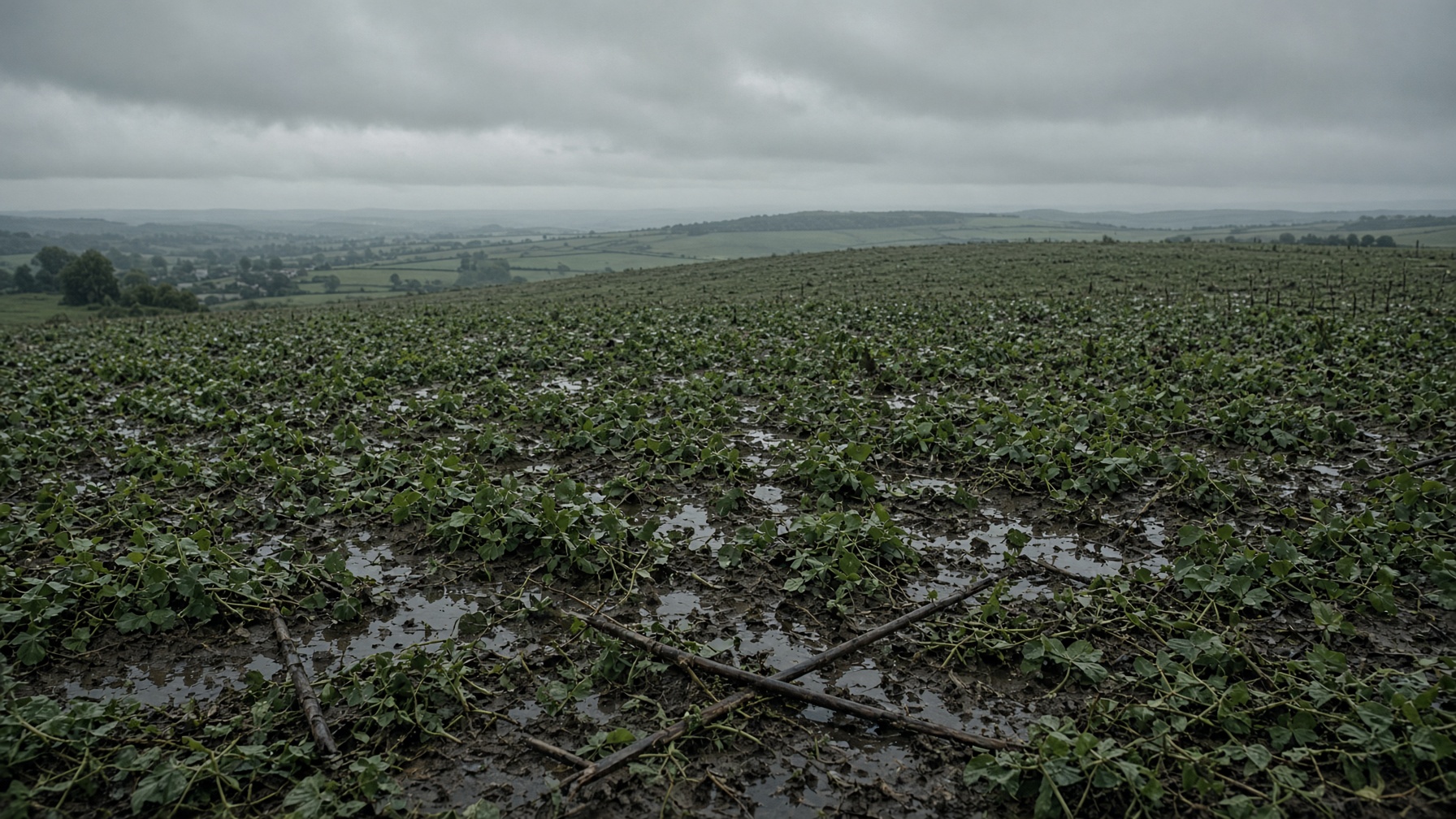
Henry IV and Prince Hal met Hotspur in a field of peas. Villagers buried the dead. The longbow was used on Englishmen by Englishmen.
The fight ran across what is now Battlefield, three miles north of the town. Hotspur was killed; the Prince took an arrow in the face. Thousands fell. The collegiate church was later raised as a chantry for the slain. For the ordinary people of the plain it was not a Shakespeare scene. It was a week of digging.
Episode 4.4
1536–1575
Tudor Progress — The Virgin Queen and the Gentry
The dissolved abbeys; Chillington
The Dissolution emptied Wenlock, Buildwas, Haughmond. Power shifted to gentry. In 1575 Elizabeth’s great progress was entertained at Chillington by the Giffards.
Lead came off the roofs in the 1530s. White Ladies passed into Catholic gentry hands — a fact that would matter in 1651. Elizabeth’s 1575 progress, the longest of her reign, ran through Staffordshire; John Giffard hosted her at Chillington. The families who had taken the monastic land were now the ones who could put a queen to bed and breakfast.
Episode 4.5
1642
19 September
The Wellington Declaration
Wellington
Charles I, on the road from Nottingham to Shrewsbury, told his army he would uphold the Protestant religion, the laws of England, and the liberty of Parliament.
He stayed in the town 19–20 September. Clarendon later said the speech was not fit to be forgotten. The Mint put the slogan on the coin: RELIG:PROT:LEG:ANG:LIBER:PAR. Local families were already choosing sides. The Civil War did not arrive here as an idea. It arrived as a king in the market town, asking neighbours to kill neighbours.
Episode 4.6
1651
3–7 September
The Flight of the King
White Ladies and Boscobel
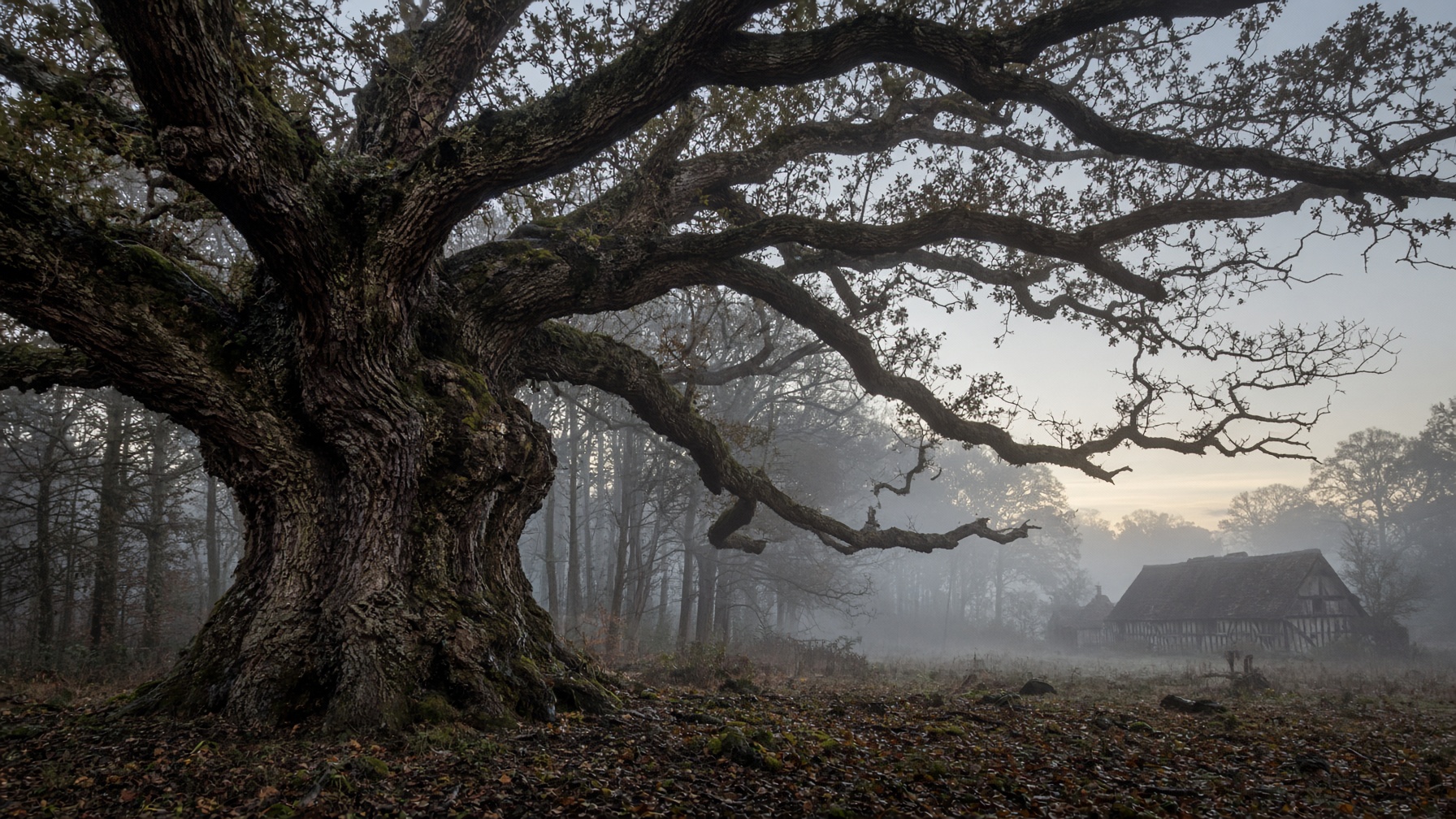
After Worcester, farmhands hid Charles II at Boscobel. From the oak the Wrekin was the safe landmark on the skyline.
White Ladies at dawn on the 4th. Richard Penderel, a cropped head, a greasy hat. The Severn watched at Madeley. The oak with Careless on the 6th. Humphrey’s mill-horse to Moseley on the 7th. Francis Yates was hanged for his part. The rest of the Crown’s survival, for four days, was a Shropshire tenancy looking toward the hill.
Era 5 · four films
Iron
1709 – 1815
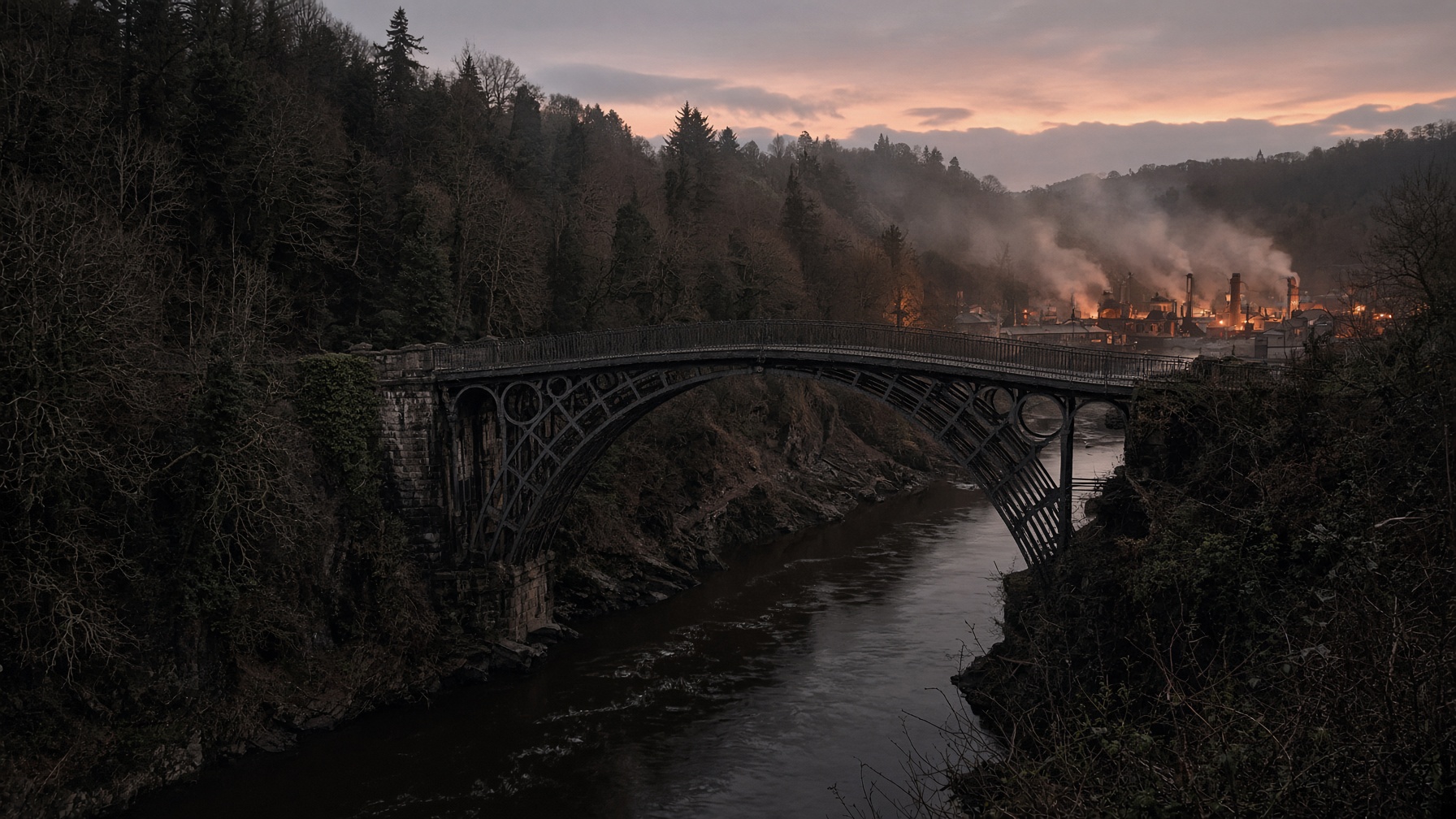
The coalfield is a geological cocktail. Darby makes coke pay. Reynolds lifts boats up hillsides. Fletcher preaches to the furnace men. Telford casts a war machine.
Episode 5.1
1709
The Geological Cocktail and the Darbys
Coalbrookdale
The coalfield’s mix of coal, ironstone, fireclay and limestone made a district. Abraham Darby made coke-smelting pay. Furnace men paid in heat and hours.
Darby took the Coalbrookdale furnace in 1708 and was smelting with coke in 1709. He wanted cheaper pots. Phosphorus in the local ore made poor wrought iron and excellent cast. The cocktail the gorge had exposed was now a system: mine, furnace, river. The harshness of that system is the other half of the miracle.
Episode 5.2
1758–1803
William Reynolds — Polymath of the Coalfield
Ketley, Coalport, the Tar Tunnel
Inclined planes, the Tar Tunnel, Coalport, early steam, fossils at Ketley Bank: one ironmaster’s mind, applied to a whole district.
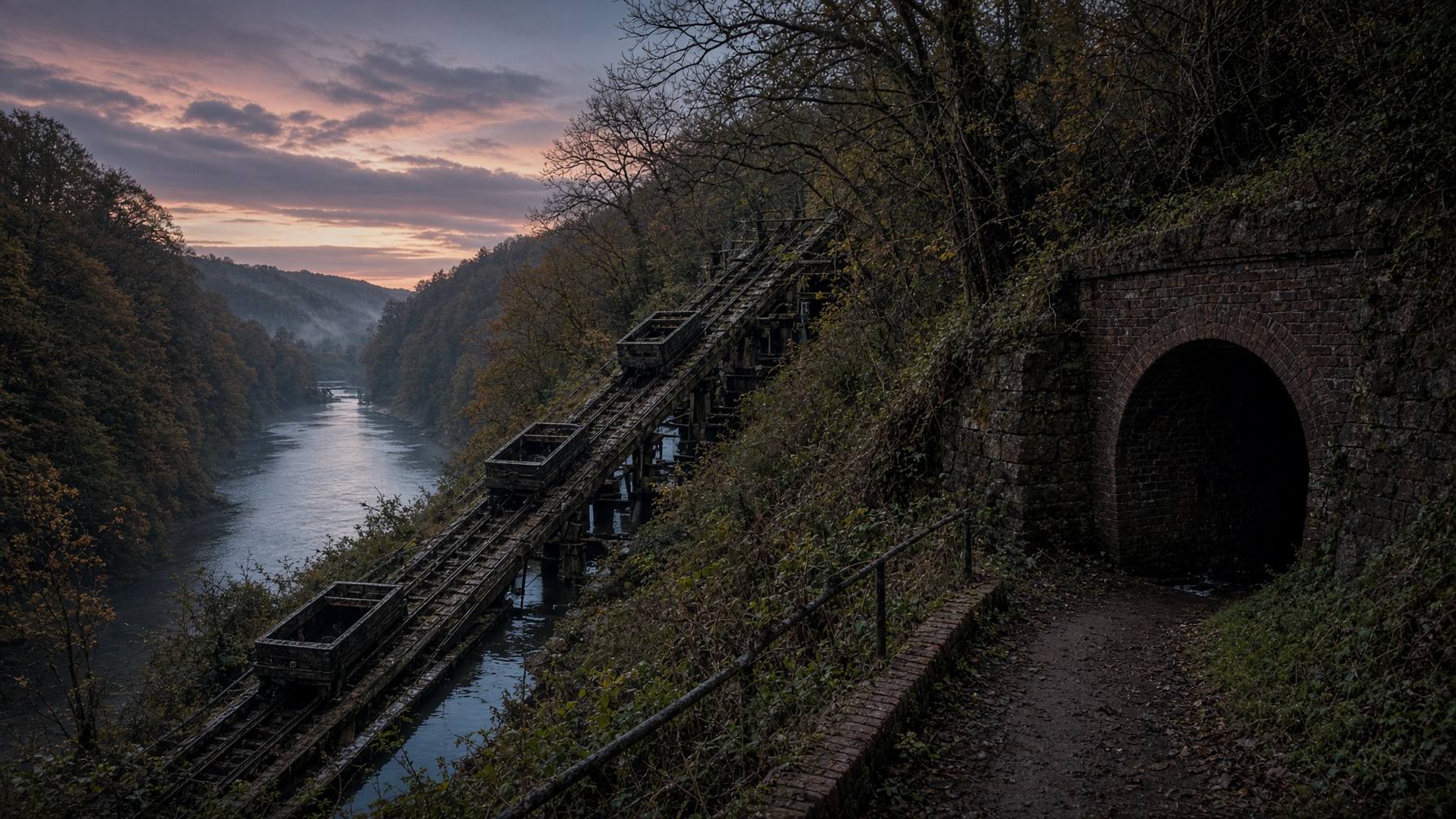
Born 1758 at Coalpit Bank. The Ketley Canal (1787–88) included the first successful boat inclined plane in the world. Miners driving his tunnel at Coalport in 1786–87 struck a spring of natural bitumen — the Tar Tunnel — and the canal plan was partly abandoned for the oil. The Hay Inclined Plane later dropped tub boats 64 metres to the Severn. He collected fossils. He thought like a system.
Episode 5.3
1760–1785
Radical Faith — Fletcher of Madeley and the Methodists
Madeley
John Fletcher, vicar of Madeley, and John Wesley brought a fierce nonconformist gospel to miners and ironworkers.
Jean Guillaume de la Fléchère — Fletcher — was Swiss-born, Wesley’s chosen successor, and he stayed in Madeley among the furnace poor. The Methodist explosion in the coalfield was not polite chapel-going. It was a radical claim that the men who fed the Darby works had souls that outranked the works. The hill, for some of them, became a cathedral again.
Episode 5.4
1796–1815
Telford’s Iron and the Napoleonic War Machine
Longdon-on-Tern; the foundries
The Longdon-on-Tern aqueduct proved iron could carry a canal. Shropshire foundries then ran night and day on cannon for the European wars.
Thomas Telford’s iron trough at Longdon-on-Tern (1796), cast at Ketley, is the first large navigable iron aqueduct — the rehearsal for Pontcysyllte. Meanwhile the same foundries bored guns. The gorge that ice had opened was now a munitions valley. The war machine was local, loud, and paid in piecework.
Era 6 · five films
Beacon
1821 – today
Cinderloo on the tips. The hill becomes a sanctuary, then a wartime lookout. A new town is blasted out of the Ercall. The beacon is still the hill.
Episode 6.1
1821
2 February
Iron Tracks and the Cinderloo Uprising
Old Park, Dawley
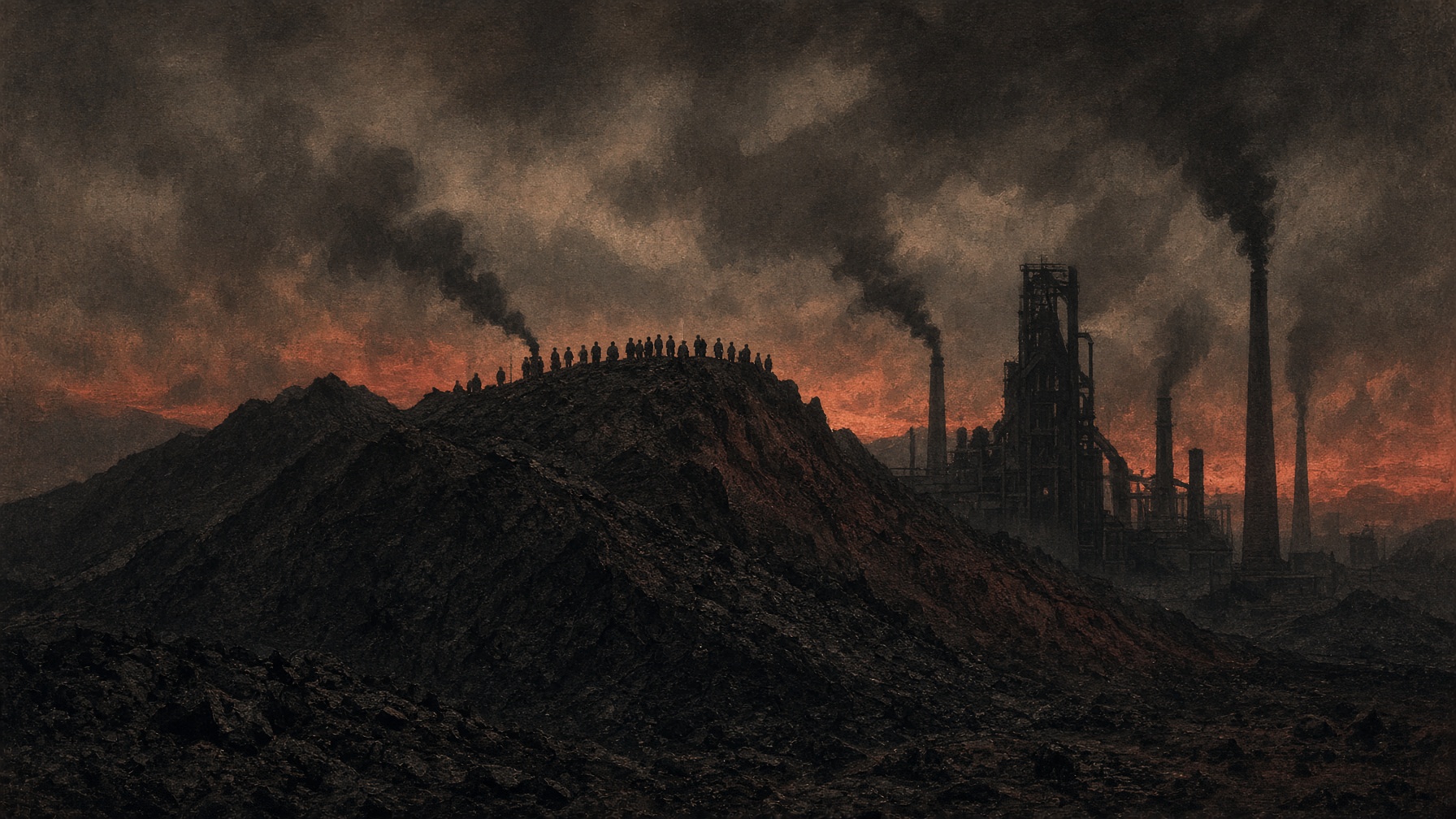
Railways were already cutting the coalfield. On the cinder hills at Old Park, some 3,000 striking colliers met the Yeomanry. Three men died.
Wages were to be cut by sixpence a day. The crowd gathered on the tips — now the Forge retail park. The Riot Act was read. Stones and cinders met cavalry. William Bird, eighteen, was shot; Thomas Gittins died of wounds; Thomas Palin was hanged on 7 April. The ironmasters later cut fourpence instead of six. The name is a bitter rhyme with Peterloo. The railways kept coming.
Episode 6.2
1832–1900
Royal Visits and Victorian Pilgrimages
Pitchford; the Wrekin
Young Princess Victoria came to Pitchford. Industrial workers climbed the hill for air. The summit became a public sanctuary.
Victoria stayed at Pitchford Hall in 1832 with her mother, the Duchess of Kent. The Wrekin, meanwhile, turned from fortress and beacon into a day out: the toposcope, the walks, the right to stand above the smoke. Macaulay had already given the hill a line of light in the Armada poem. Victorians made the climb a habit.
Episode 6.3
1941–1945
The WWII Lookout and RAF Atcham
The Wrekin; Atcham; High Ercall
A searchlight battery and a pundit beacon on the summit. Spitfires and Thunderbolts at Atcham. The hill was a navigation mark and a hazard.
RAF Atcham opened in 1941, then passed to the Eighth Air Force as Station 342 — the 495th Fighter Training Group on P-47s. Aircraft had already hit the hill in bad weather. A Chance or pundit light went up on the summit in 1942–43, with searchlights and weapon pits inside the old hillfort. George VI inspected troops in the county. The beacon’s concrete base is still in the grass.
Episode 6.4
1963–1968
The Birth of Telford New Town
The Ercall; Dawley; Telford
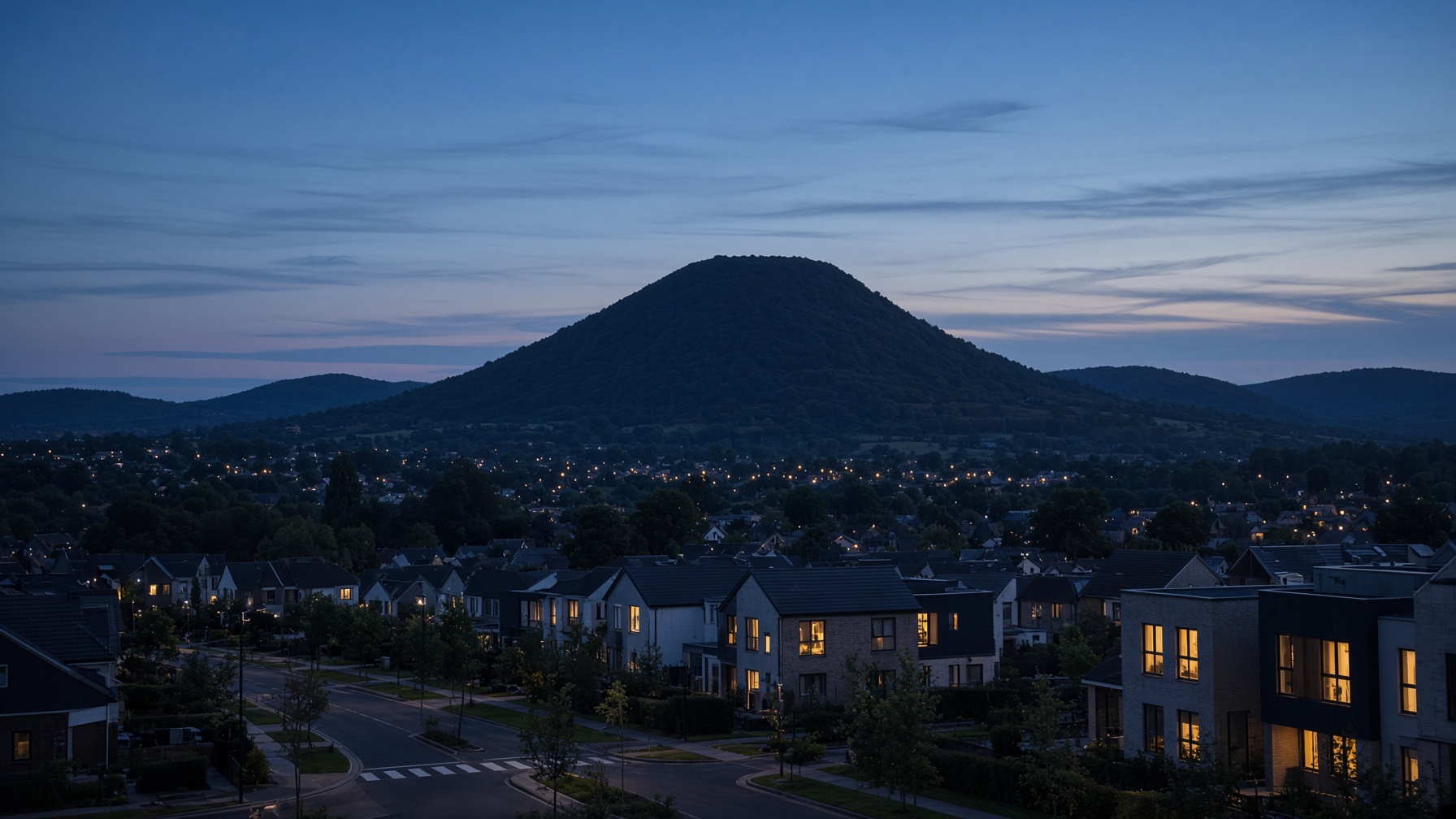
Dawley was designated in 1963 and renamed Telford in 1968. Quarries ate the Ercall to build a town around the old villages.
Wellington, Oakengates, Madeley, Dawley — drawn into one planned settlement named for the Scottish engineer. The Ercall’s quartzite, the same beach that holds Cambrian ripples, was blasted for roadstone. A modern town wrapped itself around furnaces gone cold and a hill that did not move.
Episode 6.5
Today
The Living Beacon
The Wrekin
The modern WrekinSets. Preserve the ground, honour the films, look forward. The hill is still the cathedral.
The transmitter blinks. The toposcope names the counties. People still climb it for a lungful of air, as the furnace men did. This series is a way of keeping the name — Wreocensæte, WrekinSets — attached to the ground it came from.
Episode Archive
Off-timeline
The Faith of the WrekinSets
Summit, abbey, chapel
A through-line: pagan fire on the summit, Catholic abbeys in the valleys, the Dissolution, the Methodist revival. The hill is the cathedral.
Not a date. A spine. From the Cornovii down through Wenlock and Fletcher of Madeley, belief in this landscape keeps returning to high ground. When the abbeys fall, the colliers climb. When the chapels quiet, people still walk the beacon.
Episode Archive
Off-timeline
The Wellingtonia Archive
Wellington
Scans, notes and local memory: George Evans on the rocks, Allan Frost on the Civil War, folklore that never made the textbook.
Wellingtonia is the parish magazine of this town’s long memory. Evans on the geology, Frost on 1642, the stories that sit beside the documents. This timeline is the broadcast. The archive is the shelf it came off.
The name remains.
Wreocensæte. WrekinSets. Twenty-eight films from magma to new town. The lava cooled, the fort burned, the king hid, the iron was cast — and the cone is still in the windscreen.
Master series of the land around the hill, with an off-timeline archive for faith and Wellingtonia.